Unlock Your Radiant Skin: A Guide to Effective Skincare
Welcome to Vitality Bloom Wellness's comprehensive skincare guide. Discover expert tips and advice to achieve healthy, glowing skin. From cleansing and moisturizing to sun protection and anti-aging strategies, we've got you covered. Our goal is to empower you with the knowledge and tools to create a skincare routine that works for your unique needs. Let's embark on this journey to unveil your skin's natural radiance.
The Foundation: Cleansing and Exfoliating
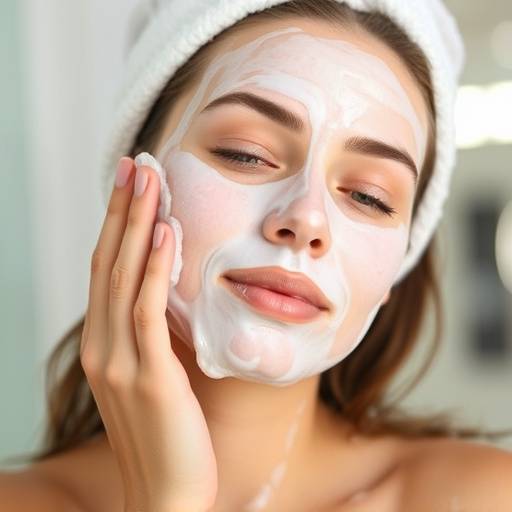
A clean canvas is essential for any effective skincare routine. Cleansing removes dirt, oil, and impurities that can clog pores and lead to breakouts. Choose a cleanser that's appropriate for your skin type: gentle and hydrating for dry skin, balancing for combination skin, and oil-free for oily skin. Washing your face twice a day, morning and night, is generally recommended. However, those with very dry skin may find that cleansing only once a day is sufficient.
Exfoliating removes dead skin cells from the surface of your skin, revealing a brighter, smoother complexion. It also helps to improve the absorption of other skincare products. Chemical exfoliants, such as AHAs (alpha hydroxy acids) and BHAs (beta hydroxy acids), are often preferred over physical scrubs as they provide a more even and gentle exfoliation. Start by exfoliating once or twice a week and gradually increase the frequency as tolerated.
Hydration is Key: The Importance of Moisturizing
Moisturizing is crucial for maintaining healthy, hydrated skin. It helps to protect your skin's barrier function, which is essential for preventing moisture loss and protecting against environmental damage. Choose a moisturizer that's appropriate for your skin type. Look for ingredients like hyaluronic acid, glycerin, and ceramides, which are known for their hydrating and barrier-repairing properties. Apply moisturizer after cleansing and exfoliating, and throughout the day as needed.
Don't forget to hydrate from the inside out by drinking plenty of water. Aim for at least eight glasses of water a day to keep your skin plump and hydrated.
Sun Protection: Your Skin's Best Friend

Sunscreen is the single most important skincare product you can use. It protects your skin from the harmful effects of the sun's UV rays, which can cause premature aging, wrinkles, sunspots, and skin cancer. Choose a broad-spectrum sunscreen with an SPF of 30 or higher. Apply it liberally to all exposed skin, including your face, neck, ears, and hands, at least 15 minutes before sun exposure. Reapply every two hours, or more frequently if you're swimming or sweating. Even on cloudy days, UV rays can penetrate your skin, so it's important to wear sunscreen every day.
In addition to sunscreen, wear protective clothing, such as a hat and sunglasses, and seek shade during peak sun hours (10 a.m. to 4 p.m.).
Anti-Aging Strategies: Maintaining Youthful Skin

While aging is a natural process, there are steps you can take to minimize the signs of aging and maintain youthful-looking skin. Incorporating anti-aging ingredients into your skincare routine can help to improve skin elasticity, reduce wrinkles, and even out skin tone. Retinoids, such as retinol and tretinoin, are powerful anti-aging ingredients that can help to stimulate collagen production and improve skin texture. Antioxidants, such as vitamin C and vitamin E, protect your skin from free radical damage, which can contribute to premature aging. Peptides can also help to stimulate collagen production and improve skin elasticity.
In addition to using anti-aging skincare products, consider lifestyle factors that can impact your skin's aging process. Getting enough sleep, eating a healthy diet, managing stress, and avoiding smoking can all help to keep your skin looking its best.
Addressing Specific Skin Concerns
Everyone's skin is unique, and many people experience specific skin concerns such as acne, rosacea, eczema, or hyperpigmentation. It's important to tailor your skincare routine to address these specific concerns. For acne-prone skin, look for products that contain salicylic acid or benzoyl peroxide. For rosacea, choose gentle, fragrance-free products. For eczema, focus on moisturizing and avoiding irritants. For hyperpigmentation, consider products that contain vitamin C, niacinamide, or retinoids. Consulting with a dermatologist can help you to develop a personalized skincare plan that addresses your specific needs.
Remember that consistency is key when it comes to skincare. It takes time to see results, so be patient and stick with your routine.
The Power of a Healthy Lifestyle

Your skin is a reflection of your overall health. A healthy lifestyle can significantly impact the appearance and health of your skin. Eating a balanced diet rich in fruits, vegetables, and healthy fats provides your skin with the nutrients it needs to thrive. Getting enough sleep allows your skin to repair and regenerate. Managing stress can prevent breakouts and other skin problems. Regular exercise improves circulation and delivers oxygen and nutrients to your skin cells. Avoiding smoking and excessive alcohol consumption can also help to keep your skin looking its best. By prioritizing your overall health, you can create a foundation for healthy, radiant skin.
Consider adding foods rich in antioxidants to your diet, such as berries, leafy greens, and nuts. These foods can help to protect your skin from free radical damage and promote a youthful complexion.
Building Your Personalized Skincare Routine
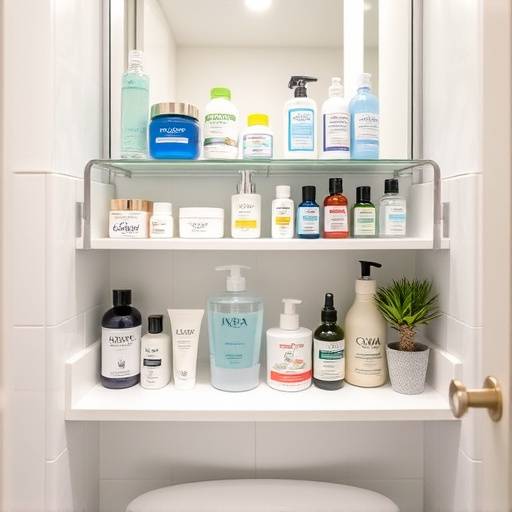
Creating a personalized skincare routine is essential for achieving your skin goals. Start by identifying your skin type and any specific concerns you want to address. Then, research different skincare products and ingredients to find those that are suitable for your skin. Begin with a basic routine that includes cleansing, moisturizing, and sun protection. Gradually introduce other products and treatments as needed. Pay attention to how your skin responds to different products and adjust your routine accordingly. Remember to be patient and consistent, and don't be afraid to seek advice from a dermatologist or skincare professional.
Experiment with different products and techniques to find what works best for you. Skincare is a journey, not a destination, so enjoy the process and celebrate your progress along the way.